



Video Training →Cartilage Tissue Engineering
Published by: LeeAndro on 2-11-2022, 09:01 |  0
0
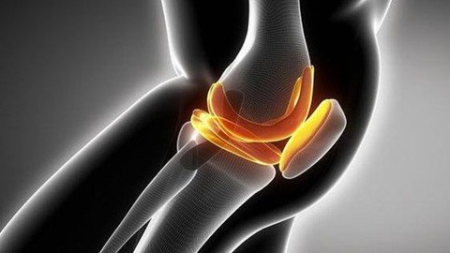
Published 11/2022MP4 | Video: h264, 1280x720 | Audio: AAC, 44.1 KHzLanguage: English | Size: 235.80 MB | Duration: 0h 32m
cartilage healing
What you'll learn
Cartilage structure
Cartilage damage
Cartilage tissue eeering
Cells in cartilage tissue eeering
Scaffolds in cartilage tissue eeering
Growth factors in cartilage tissue eeering
Requirements
System requirements: PC, laptop or mobile device (with Udemy app) and broadband connectivity.
Course requirements: There are no pre-requisite or other course requirements.
Description
Loss of cartilage regardless of the cause is problematic because of the extremely limited repair capacity of the tissue. Cartilage transplantation has never met success because of the scarcity of donor sites and the associated morbidity in the harvest procedures. It is known that the functional properties of cartilage are mainly dependent on its extracellular matrix (ECM) components. One common strategy involves the incorporation of different biomaterials, such as synthetic and natural polymers, to mimic the real ECM of this tissue. Niche signaling influences the mesenchymal stem cell (MSC) differentiation to chondrocytes. This microenvironment, or niche, could be established by a welldesigned polymeric scaffold together with the appropriate growth factor. Because cartilage is composed mainly of water, devices intended for its substitution or tissue regeneration should be made of a material that can hold large amounts of water and should also have good handling properties to withstand loads imparted by the cells and ECM during in vitro culturing.In recent years, different types of biocompatible biomaterials have used to repair cartilage damage by stem cells. Generally, cell activity is maintained inside a three‐dimensional scaffold. Synthetic hydrogels with suitable physical and chal properties considered as tissue eeering scaffolds and are a model for the differentiation of stem cells and the interaction between cells and the extracellular matrix. In cartilage repair, using noninvasive methods to transfer cells or release biologically active molecules into the lesion site is recommended.This course provides an overview of:Cartilage structureCartilage damageCartilage tissue eeeringCells in cartilage tissue eeeringScaffolds in cartilage tissue eeeriowth factors in cartilage tissue eeeringThis course can be useful for students of tissue eeering, polymer and medical eeering and interested in this field.
Overview
Section 1: Introduction
Lecture 1 Introduction
Section 2: Cartilage structure
Lecture 2 Cartilage structure
Section 3: Cartilage damage
Lecture 3 Cartilage damage
Section 4: Cartilage tissue eeering
Lecture 4 Cartilage tissue eeering
Section 5: Cells in cartilage tissue eeering
Lecture 5 Cells in cartilage tissue eeering
Section 6: Scaffolds in cartilage tissue eeering
Lecture 6 Scaffolds in cartilage tissue eeering
Section 7: Growth factors in cartilage tissue eeering
Lecture 7 Growth factors in cartilage tissue eeering
Section 8: Thanks
Lecture 8 Thanks
Section 9: Rder
Lecture 9 Tissue eeering
Lecture 10 Cartilage tissue eeering
Lecture 11 Bone tissue eeering
biomaterial eeers,polymer eeers,medical eeers,Anyone interested in this field
HomePage:
Https://anonymz.com/https://www.udemy.com/course/cartilage-tissue-eeering/DOWNLOAD
1dl.net
uploadgig.com
rapidgator.net
Related News
-
{related-news}